

Big Lap Packing List: What One Family Is Really Taking Around Australia
Planning a Big Lap packing list for a 6+ month trip around Australia can feel like a mix between excitement and mild panic. What do you actually need? What will you never use? And how do families make it all work on the road for months at a time?
One of the best ways to figure it out is by looking at real travellers doing exactly that. Kali Groome from ‘Let’s See the Country’ (on Facebook and Instagram) has shared what her family is packing in their Leader Gold LE double-door for their six-month lap of Australia, giving a refreshingly honest look at what makes the cut when you’re living on the road full-time.
This isn’t necessarily about a “perfect” setup, but it’s about a practical one that works for the Groomes, and that’s what makes it so useful.
A Real-World Big Lap Packing List
The Groome family’s setup is built around comfort, space, and keeping things simple enough to manage with three kids and a dog on board. Their tow vehicle, a Ram 1500, was chosen not just for towing, but because it gives everyone room to breathe on those long driving days.
They’ve added a few key upgrades to support life on the road, including a lift kit and beefed-up suspension for towing, a canopy, roof rack, solar, and recovery gear. But one of the most interesting inclusions is Starlink, which Kali describes as one of their most important tools – not just for working on the road, but for safety and staying connected in remote areas.
It’s a good reminder that modern Big Lap packing lists are evolving. Staying connected isn’t just convenient anymore – it can be essential.
Packing for Off-Grid Living
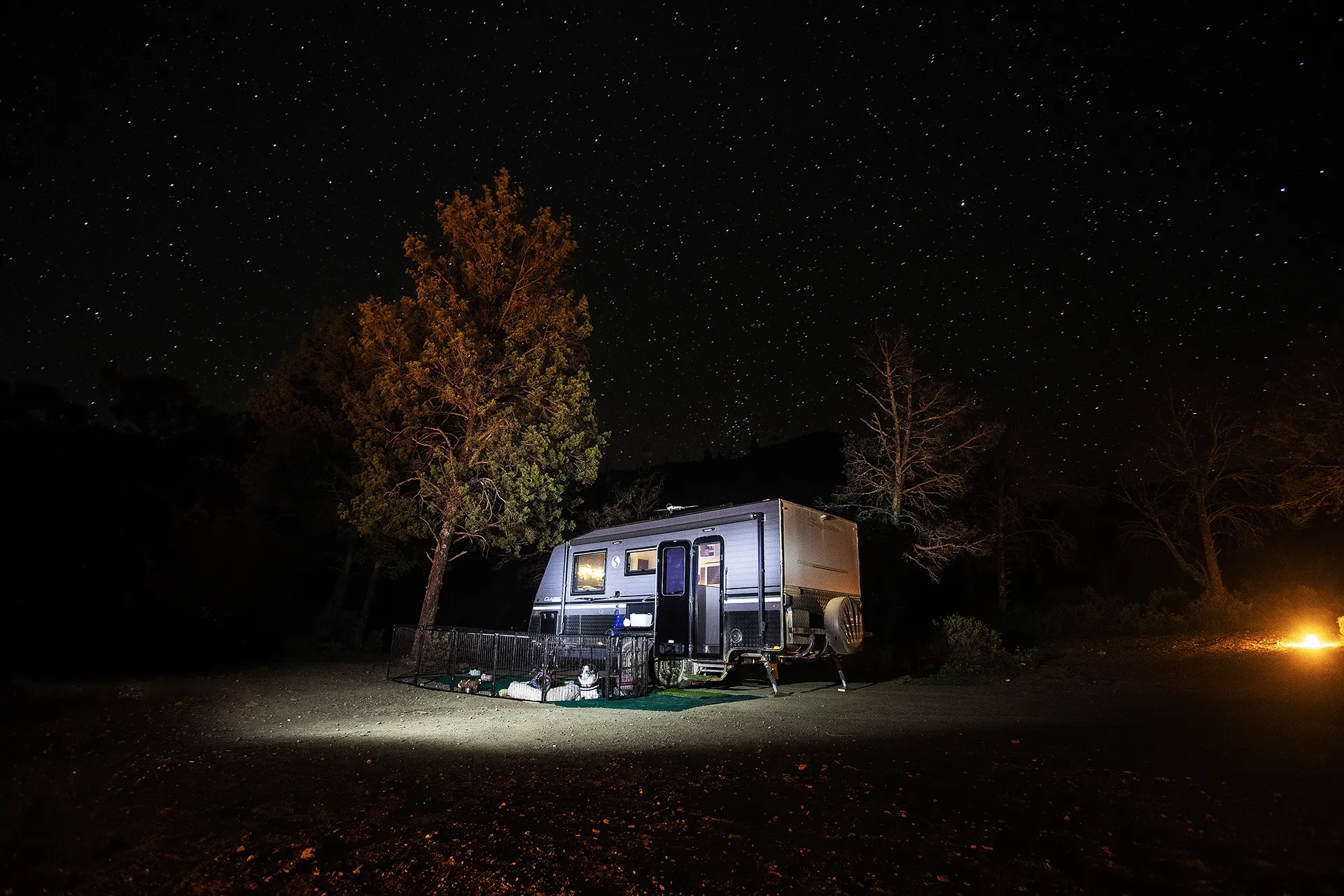
A big part of this Big Lap packing list is the ability to stay off-grid for extended periods. Instead of relying on caravan parks, the family plans to mix in free camps, Hipcamps, and showgrounds – giving them more flexibility and helping keep costs down.
To make that work, they’ve built a setup that supports independent living:
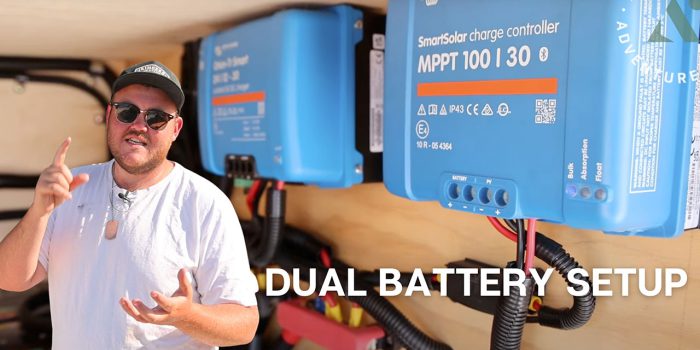
- Solar power and a 2000Watt inverter to run essentials like a coffee machine and laptop
- Gas cooking for flexibility in all weather
- External cooking setups (Weber and butane cooker) for everyday use
- REDARC battery management system to monitor power usage
A setup like this isn’t over-the-top but rather just having everything you need, wherever you pull up for the night.
Outdoor Living Essentials
When you’re travelling for months, your “backyard” changes every few days, so having a simple and reliable outdoor setup makes a huge difference.
The Groome family keeps things straightforward. Their outdoor space is built around ease and routine – setting up quickly, packing down just as fast, and keeping the mess outside where it belongs. A fold-out table becomes the hub for meals, while muck mats help stop half of Australia from being tracked through the van.
There’s also a practical side to their setup, with gear ready for a variety of conditions. Recovery equipment, extra fuel storage, and general travel gear all have their place, giving them confidence to explore further off the beaten track.
It’s not flashy, it’s functional, and that’s exactly the point.
Kitchen and Food Setup
Food is one of those things you don’t think too much about – until you’re buying takeaway or stopping at bakeries three times a day and wondering where your budget went.
The Groome family has clearly thought this through – they’ve set themselves up to cook most meals, both inside and outside the van, depending on the weather and location. On a nice day, the Weber or butane cooker takes centre stage. If conditions turn, the indoor gas setup steps in.
They’ve even gone a step further with a small fridge and pie warmer in the car, making it easier to keep snacks and quick meals ready while travelling. It’s a simple addition, but over months on the road, we’re told it can save a surprising amount of money and time.
And yes – there’s a coffee machine on board. Because some comforts are non-negotiable.
Storage and Space Management
Space becomes very real, very quickly when you’re living in a caravan full-time – especially with kids.
The Groome family’s van layout gives each child their own space, which helps keep things organised and avoids the “where did my stuff go?” conversations that can pop up regularly. Storage has been added wherever it makes sense, from small pockets for everyday items to dedicated areas for games, clothes, and personal gear. Kali swears by Drop Bear pockets which are actually colour-matched to the upholstery in their Leader!
Under-bed storage plays a big role too, holding spare parts, tools, and those “just in case” items that you don’t need every day but are very glad to have when you do.
The overall approach is simple: if everything has a place, life on the road runs a whole lot smoother.
Laundry, Comfort, and Daily Living
It’s often the small things that make the biggest difference on a long trip – and for this family, a washing machine is right at the top of that list.
Kali admits it wasn’t something they thought they’d use much, but now it’s something they wouldn’t travel without. When you’re on the road for months, being able to wash clothes whenever you need to is a huge win – no waiting around at laundromats, planning your trip around laundry stops, or having to use the questionable caravan park washers. In a previous article with Jeb and Cassie we found out they came to the same conclusion about washing machines…
Comfort is handled in practical ways too. Instead of relying heavily on air conditioning, they make the most of airflow, fans, and smart ventilation. Blackout covers help everyone sleep in a little longer (which, with kids, is always appreciated), and small storage additions in the bathroom keep things tidy and easy to access.
It’s all about creating a space that feels easy to live in, not just travel in.
Safety, Maintenance, and Preparation
No Big Lap packing list is complete without thinking about safety and maintenance.
The Groom family has taken steps to prepare for the unexpected, from regularly checking electrical components to carrying spare parts and tools. One small but important lesson they share is the importance of checking fuses – something they discovered the hard way before it became a bigger issue.
They’ve also added protective features like a stone guard and a Carafan dust reduction system, which proved its worth on rough roads like the Oodnadatta Track. Even when something went wrong with the door during travel, the inside of the van stayed remarkably clean.
It’s a great reminder that preparation isn’t about expecting problems – it’s about being ready if they happen.
What This Big Lap Packing List Teaches Us
There’s no universal Big Lap packing list – but there are definitely patterns in what works well. From this family’s experience, a few key lessons stand out:
- Pack for independence, not convenience
- Prioritise systems (power, storage, cooking) over gadgets
- Keep it simple – overpacking creates stress
- Focus on comfort for the long term, not just short trips
- Choose gear that supports your travel style (off-grid vs caravan parks)
Final Thoughts
A Big Lap around Australia isn’t about getting everything perfect before you leave – it’s about getting started with a setup that works and adjusting as you go.
The Groome family’s Big Lap packing list shows that with a bit of planning, a focus on the essentials, and a willingness to keep things simple, you can create a setup that supports real life on the road.
Because at the end of the day, it’s not about what you pack – it’s about where it takes you.